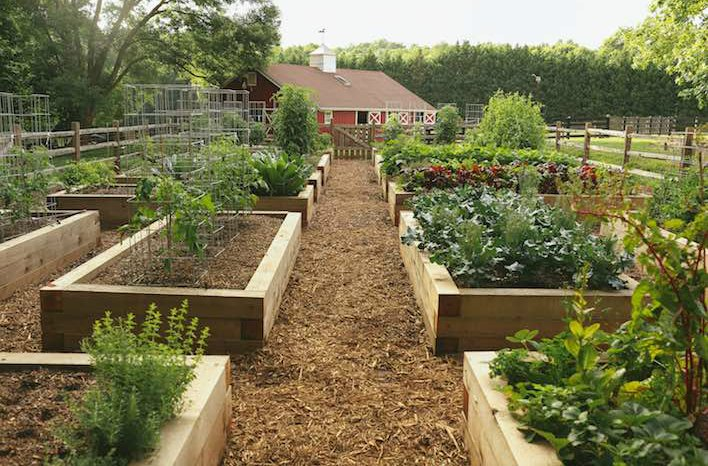
Our Dream Team: Please Reach out if Interested!
- Agricultural Expert: Expertise in regenerative farming practices, soil health, and sustainable food systems. Provides guidance on farm operations and ensures alignment with sustainable practices.
- Finance/Accounting Specialist: Background in nonprofit budgeting, grant management, and tax-exempt compliance. Ensures transparency in financial reporting and guides fundraising strategies.
- Community Outreach Leader: Experience in faith-based organizations or community engagement. Builds relationships with local churches, schools, and food banks to expand partnerships.
- Nonprofit Legal Advisory: Familiarity with nonprofit regulations, IRS 501(c)(3) compliance, and risk management. Helps navigate legal complexities, contracts, and governance policies.
- Education Specialist: Expertise in agricultural education, food security, or youth programs (e.g., FFA, 4-H). Develops workshops and initiatives to engage schools and community groups.
Executive Summary
Mission Slogan: Jobs for those in need, service from the able, nourishment for the paying, and care for the hungry.
Mission Statement:
To alleviate food insecurity in Anderson and Campbell Counties by partnering with local Churches and TN department of agriculture to use underutilized land to cultivate fresh local produce, distributing it to local schools, food banks, and community organizations, while fostering community engagement and providing regenerative agricultural education.
Vision Statement:
A community where every individual has access to nutritious food, supported by a collaborative network of faith-based regenerative agriculture and education.
Key Objectives:
- Cultivate fresh produce on underutilized property.
- Distribute food to local schools, food banks, and community organizations.
- Engage church members, local organizations, and any others in volunteer opportunities.
- Develop educational programs in partnership with FFA and local schools.
- Establish revenue streams through CSA programs, and partnerships with local businesses.
Organizational Structure
Legal Structure:
501(c)(3) nonprofit organization.
Leadership Team:
- Founder/Executive Director: Isaiah Greene
- Board of Directors: Comprising church leadership, local agricultural experts, and community leaders.
- Farm Manager: Responsible for daily agricultural operations.
- Volunteer Coordinator: Manages recruitment and coordination of volunteers.
Potential Partnerships:
- Second Baptist Church: Provides land, encourages volunteers, and community support.
- Future Farmers of America (FFA): Collaborates on educational programs and volunteer recruitment.
- Anderson County Career and Technical Center (ACCTC): Provide hands-on agricultural education and internship opportunities for students. Collaborate on workshops and projects like farm infrastructure and sustainable farming practices.
- UT Arboretum: Host joint workshops on sustainability, soil health, and pollinator conservation. Leverage their expertise in native plants and ecosystems for farm planning and education.
- 4-H: Engage youth in farm projects like flower cultivation. Offer farm tours and hands-on learning to foster agricultural skills. Provide opportunities for service projects and competitions.
- UT Institute for Agriculture in Anderson County: Partner on research and best practices for sustainable farming. Provide technical training for staff and volunteers. Collaborate on grant applications for agricultural initiatives.
- Knight’s Flowers: Partner on flower cultivation for retail and donations to community organizations. Host workshops on flower arranging and pollinator importance. Promote locally grown flowers as sustainable alternatives.
- East Tennessee Farmers Association for Retail Marketing (FARM): Sell surplus produce at local farmers’ markets. Join their network to share resources and marketing strategies. Co-host events to promote local agriculture and food security.
- The Clinton Courier: Promote nonprofit stories, events, and fundraising campaigns through their platform. Partner on educational articles about food insecurity and sustainable farming. Highlight the impact of partnerships with schools, churches, and local organizations.
- Big Brothers Big Sisters of East Tennessee: Create mentorship opportunities through farm projects. Provide farm tours and hands-on agricultural experiences for participants. Collaborate on events like farm-to-table dinners and community service days.
Potential Church Partnerships for Service hours or Expand Harvest2Hope Garden
Target Population:
- Schools: Focus on public schools in Anderson and Campbell Counties with underfunded meal programs.
- Food Banks: Partner with local food banks to meet community needs.
- Community Organizations: Collaborate with shelters and community centers serving vulnerable populations.
Community Challenges:
- Food Insecurity Rates: As of 2021, Anderson County had a food insecurity rate of 13.8%, affecting approximately 10,580 individuals. Campbell County had a rate of 17.4%, impacting about 6,870 individuals.
Local Food Banks:
- Second Harvest Food Bank of East Tennessee: Serves Anderson County and surrounding areas.
- Campbell County Food Pantry: Provides food assistance to residents of Campbell County.
Program Description
Core Programs:
- Agricultural Production:
- Cultivate vegetables, fruits, and flowers on underutilized property.
- Food Distribution:
- Donations: Provide a portion of the harvest to local schools and food banks.
- Sales: Sell surplus produce through CSA programs and local markets to sustain operations.
- Educational Initiatives:
- Workshops: Offer agricultural training and nutrition education to church members and the community.
- Youth Programs: Collaborate with FFA and local schools to engage students in agricultural activities.
- Community Engagement:
- Volunteer Opportunities: Mobilize church members and community volunteers for farming activities.
- Events: Host community events such as harvest festivals and farm-to-table dinners to promote the mission.
Marketing and Outreach
Strategies:
- Church Communications: Utilize sermons, bulletins, and social media to inform and engage the congregation.
- Community Partnerships: Collaborate with local businesses, schools, and organizations to expand reach.
- Digital Presence:
- Website: Develop a site featuring program information, volunteer opportunities, and donation options.
- Social Media: Share updates, success stories, and educational content to build an online community.
Operational Plan
Start-Up Steps:
- Land Assessment: Evaluate available church property for suitability in farming and other potential operations.
- Legal Compliance: Ensure adherence to local zoning laws and obtain necessary permits for agricultural activities.
- Infrastructure Development:
- Prepare land, install irrigation systems, acquire necessary equipment, and start composting.
- Volunteer Recruitment: Engage church members and local student organizations for initial planting and ongoing maintenance.
- Program Launch: Begin cultivation and establish distribution channels with local schools and food banks.
Daily Operations:
- Agricultural Tasks: Planting, watering, weeding, harvesting, and routine land care.
- Volunteer Coordination: Scheduling and managing volunteer activities.
Distribution: Organizing the delivery of produce to partners and managing sales.
 Greene Farms
Leave a comment